Retail
Turning Shelf Blind Spots into Retail Intelligence
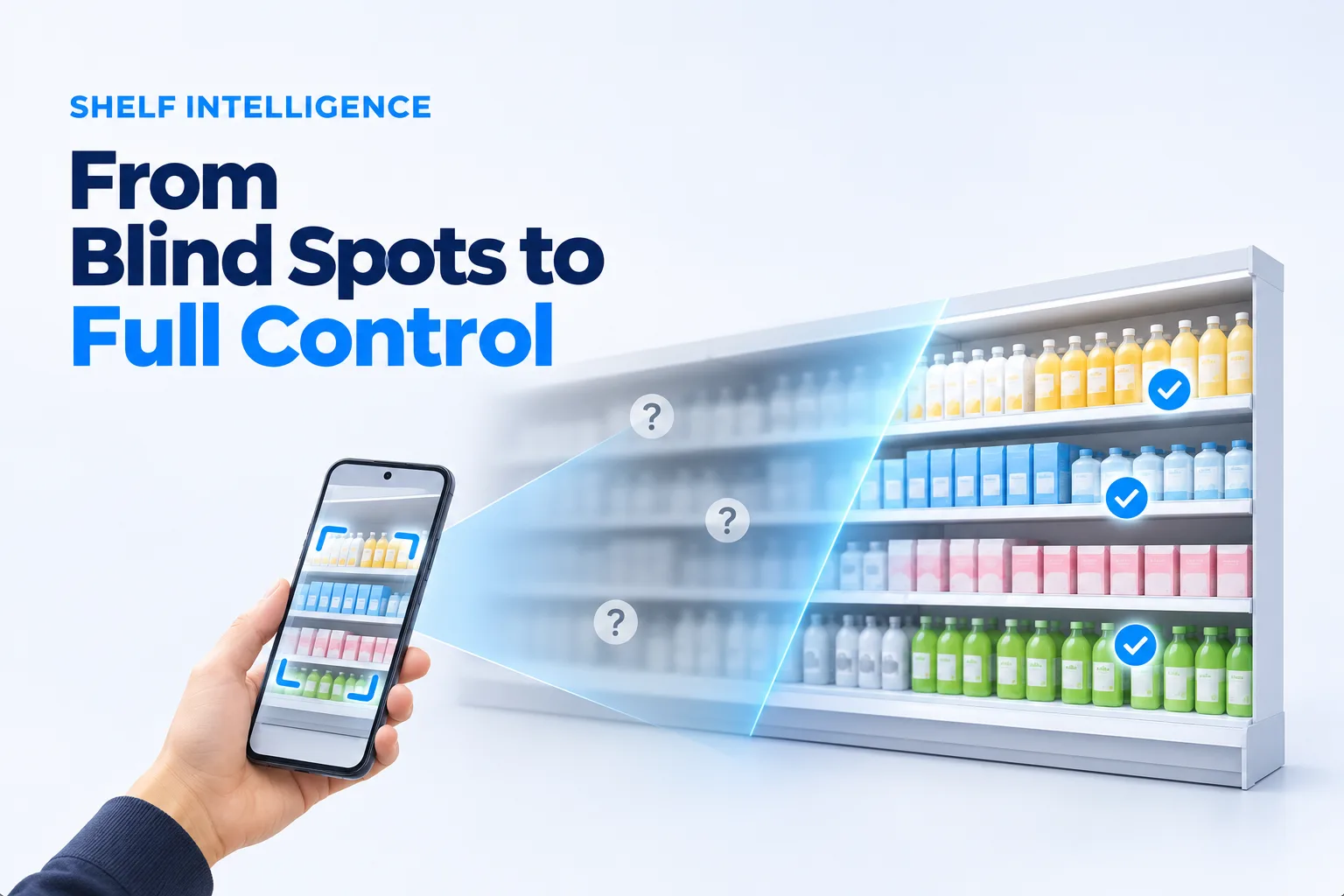
Edge AI on existing phones lifted planogram compliance by 35% across 4,500+ stores and exposed phantom inventory. See how computer vision turns the shelf into a business asset.
Reading Time
6 Minutes
Table of Contents
Authored By

Lukasz Piotrowski
CEO & Founder
Note: This is the English version of the article originally published in “Stacje Paliw – Sprzedaż Detaliczna. RAPORT 2026”, prepared by the editors of Stacja Benzynowa & Convenience Store and Petrolnet.pl. Read the original on Petrolnet.pl.
Running a fuel station today is an exceptionally difficult balancing act. While fuel sales bring traffic to the forecourt, it is the shop and foodservice area that generate real margins and determine the profitability of the entire business. At the same time, operators and chains face enormous pressure: rising labour costs, recruitment difficulties, high staff turnover and ever-increasing customer expectations.
The leadership teams of convenience-store chains often live in a world of polished digital strategy. Headquarters invest millions in advanced ERP systems, predictive algorithms and business analytics. From behind a desk, everything looks perfect: planned promotions, optimised planograms and dynamic pricing. Yet in retail, the truth is not found in head-office system data. It reveals itself on the physical shelf on a Friday evening, when a station is experiencing peak traffic.
This is where the so-called Analog Gap emerges—a dramatic disconnect between what IT systems say is in the store and what customers can actually see and buy. In this harsh business reality, artificial intelligence (AI) and Computer Vision are no longer expensive, futuristic experiments. They are practical, everyday operational tools designed to protect profits, ease the burden of staff shortages and keep shelves in order—today.
The Phantom Inventory Epidemic and the Execution Gap
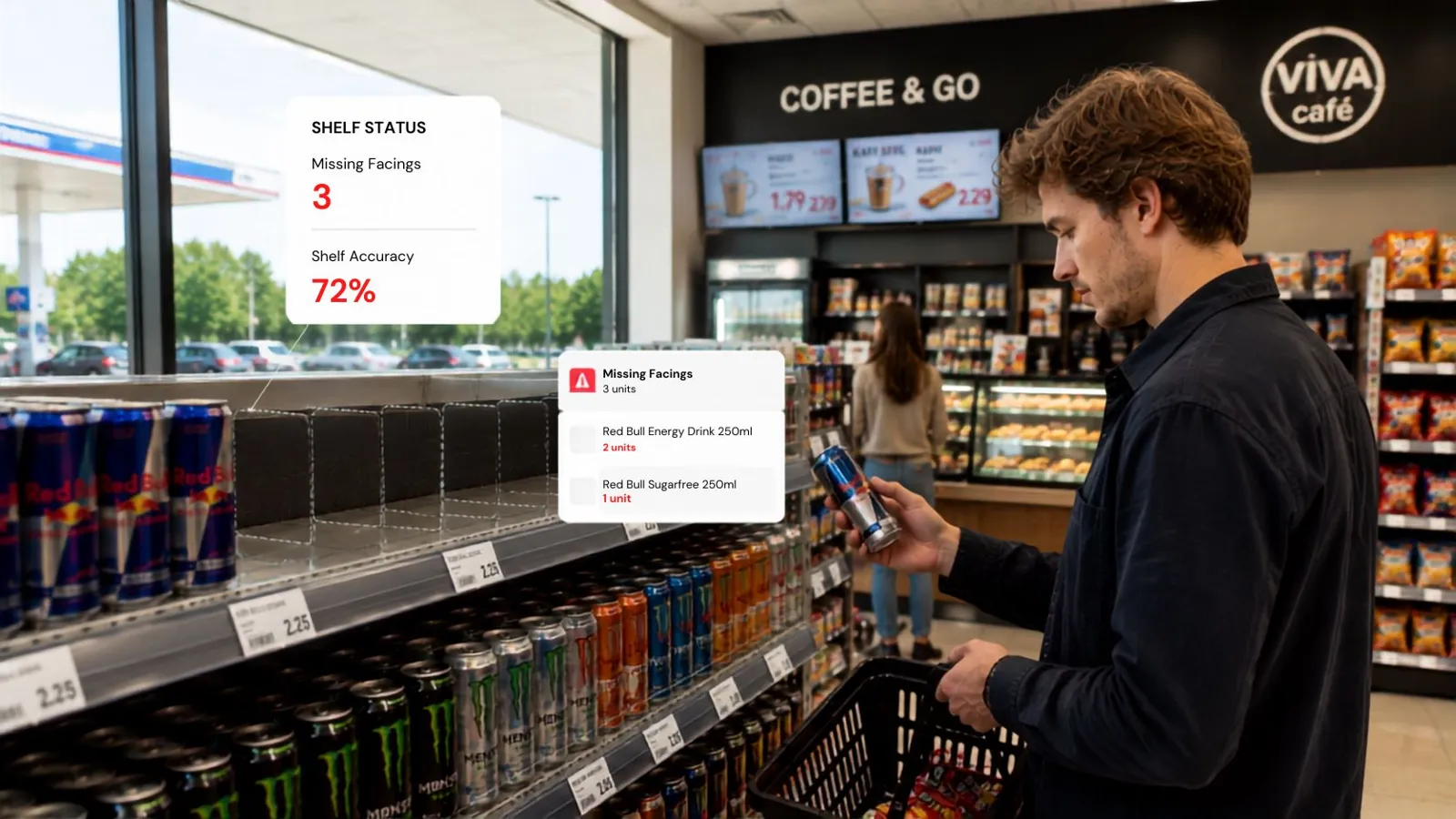
At the heart of the problem created by the Analog Gap is so-called Phantom Inventory. It is a silent killer of operating margins, costing the global retail sector an estimated more than $1.77 trillion annually, according to IHL Group. Research and industry data are unforgiving: across most convenience-store chains, inventory accuracy at the individual-store level does not exceed 65–80%.
How does this work at a fuel station? The point-of-sale system indicates that five cans of a flagship energy drink are still on the shelf. In reality, they may have been stolen, miscounted during delivery or simply forgotten in the stockroom. Because the digital system “sees” the product as available, the auto-replenishment algorithm does not trigger a delivery. The product falls into a state of “coma” (zero sales, no demand signal), and a frustrated customer leaves empty-handed—often heading straight to a competitor. On top of this comes the Execution Gap: deviations from planograms and outdated price labels mean that even the best head-office strategy can evaporate at the local-store level.
The Edge AI Breakthrough: An Intelligent Assistant Instead of Expensive Cameras
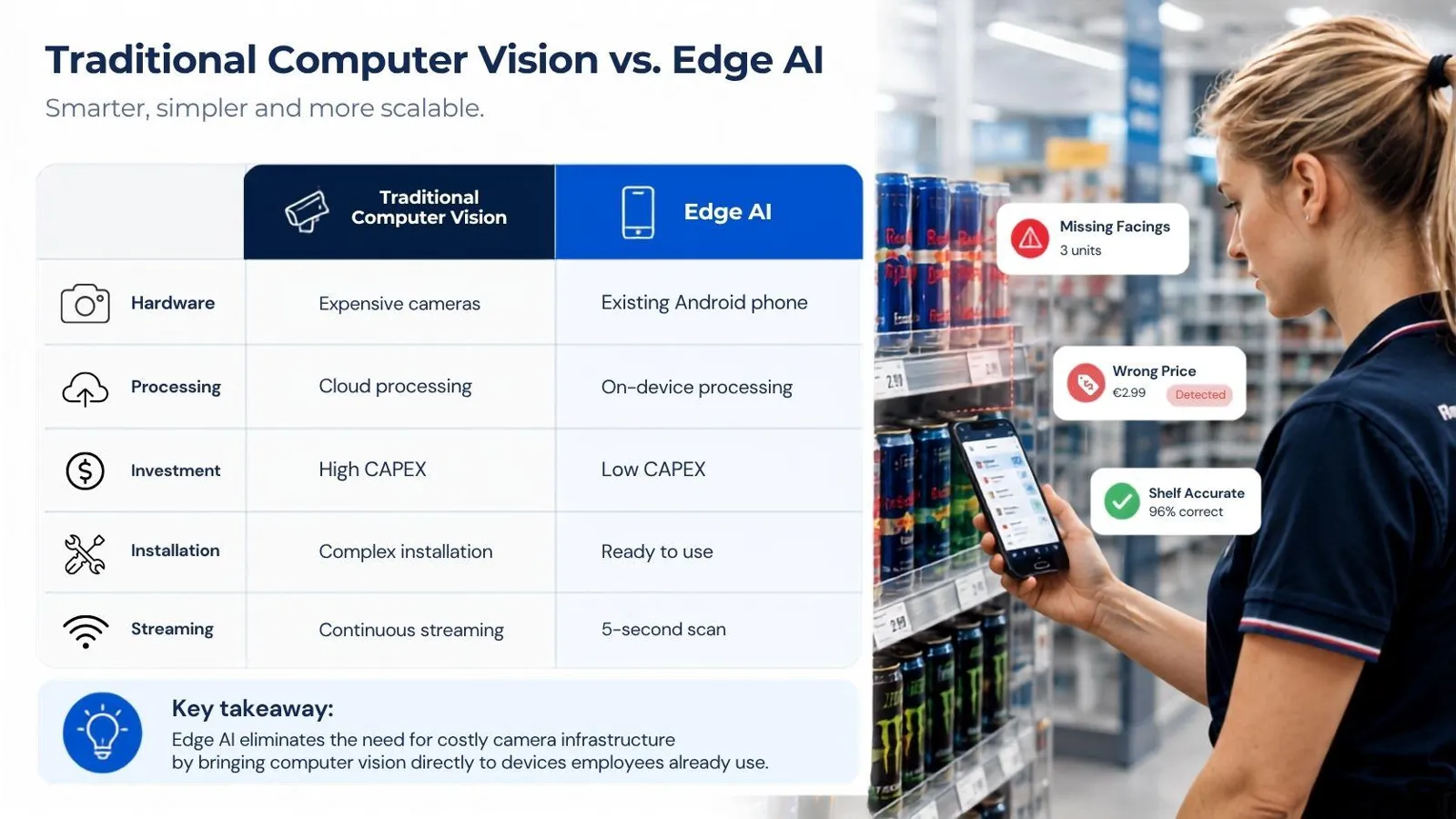
For operators, innovation is often associated with enormous upfront capital expenditure (CAPEX), IT infrastructure overhauls and station-wide disruption. The first generation of autonomous retail (for example, “Just Walk Out” formats) struggled in the market precisely because of the prohibitive cost of installing ceiling-based systems ($100,000–$150,000 per location) and the challenges of cloud-based data processing. Streaming video from hundreds of cameras creates costs and can overwhelm connectivity at fuel stations, which naturally contain “dead zones”, such as walk-in chillers where Wi-Fi does not reach.
The solution transforming the market is Edge AI—artificial intelligence at the edge. For Computer Vision to deliver a real return on investment, we must move from passive monitoring to active operational execution. Modern algorithms run directly on devices the station and its staff already have: several-year-old Android smartphones or standard handheld data terminals.
Image processing takes place entirely offline and in fractions of a second. Instead of carrying out tedious manual audits with a clipboard, an employee performs a five-second video scan of the shelf. The system immediately synchronises shelf status and overlays visual cues using augmented reality (AR): “missing facing for product X”, “price mismatch”. The technology (the StoreOS concept) becomes a “Second Brain” for the cashier, turning passive oversight into prioritised task guidance.
Foodvenience, Team Management and Perfect Promotions
Fuel stations increasingly serve as bistros and cafés, creating challenges around the short shelf lives of fresh sandwiches and ready meals. Unsold products become waste, directly affecting a location’s financial results. Intelligent cameras can work with station systems to analyse expiry dates. Combined with electronic shelf labels (ESL), the system can automatically reduce prices in real time as part of “happy hours” promotions, reducing fresh-food waste by as much as 49%.
Computer Vision also solves the challenge of Retail Media verification. FMCG brands pay stations for dedicated displays and promotional islands. In seconds, an algorithm analyses a photo, verifies “Share of Shelf”, checks for point-of-sale marketing materials (POSM) and detects incorrectly placed products. The station owner gains irrefutable digital proof that promotional contracts have been fully executed, helping secure this additional revenue stream.
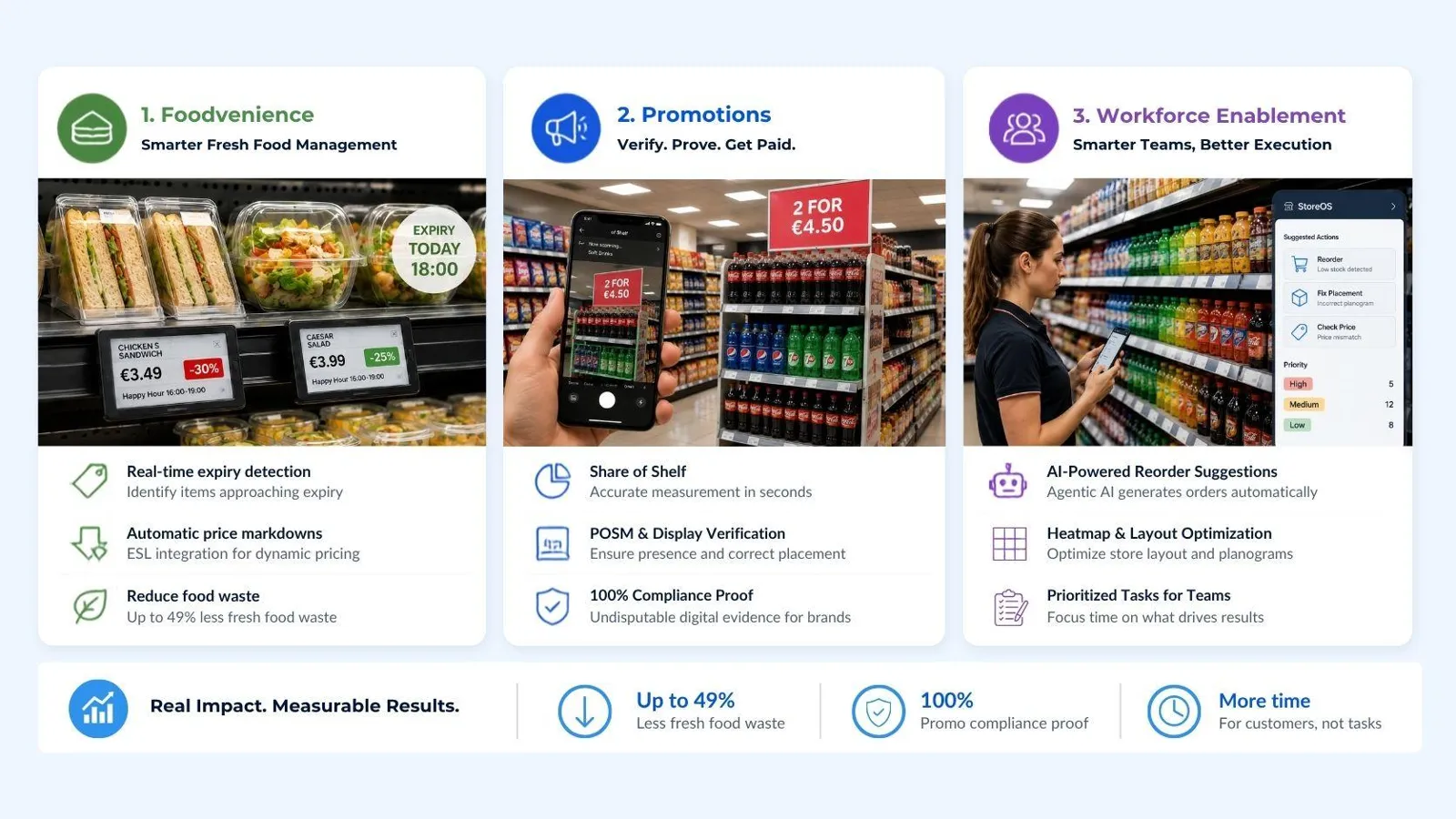
With staff turnover at 75–150%, Edge AI is also a powerful organisational tool. We are entering the era of “Agentic AI”, in which an autonomous system can generate suggested orders for the distribution centre after identifying chronic out-of-stock situations. Employees can devote the time recovered to active selling. What is more, deeper image analysis—creating heatmaps—helps optimise store layout, bottlenecks and product assortment in ways that naturally drive cross-selling.
Checkout VAR: Self-Checkout Without Losses
Self-checkout (SCO) reduces the workload on staff, but the statistics are stark: it can generate up to 16 times more losses than staffed checkout lanes. This is caused by mistakes made by customers in a hurry as well as deliberate theft (for example, so-called “sweethearting”). Edge AI can create a discreet, intelligent support system called “Checkout VAR” (Video Assistant Referee). A camera above the checkout continuously analyses hand movements and scanned products—without intruding on privacy or tracking faces. When the algorithm detects a missed scan, the checkout smoothly pauses the transaction and displays a short video message to the customer: “Did you remember to scan this item?” As many as 75% of customers immediately correct the mistake themselves, helping cut losses in the SCO area by 15–30% without stressful confrontations with staff or security.
Proof at Scale: Technology That Works Today
Technological pragmatism is measured solely by scalability. Through OmniShelf StoreOS, we have demonstrated that Computer Vision analytics is ready to work here and now. Together with 7-Eleven Philippines, we deployed Edge AI across an existing fleet of mobile devices in more than 4,500 locations. The operational results decisively closed the Analog Gap:
- Achieved a 35% increase in planogram compliance;
- Saved more than 70 hours of staff time per location each month;
- Recorded a 1.7x like-for-like sales increase in optimised categories;
- Employee satisfaction (NPS) rose to 9.2/10, confirming that a significant cognitive burden had been removed from staff.
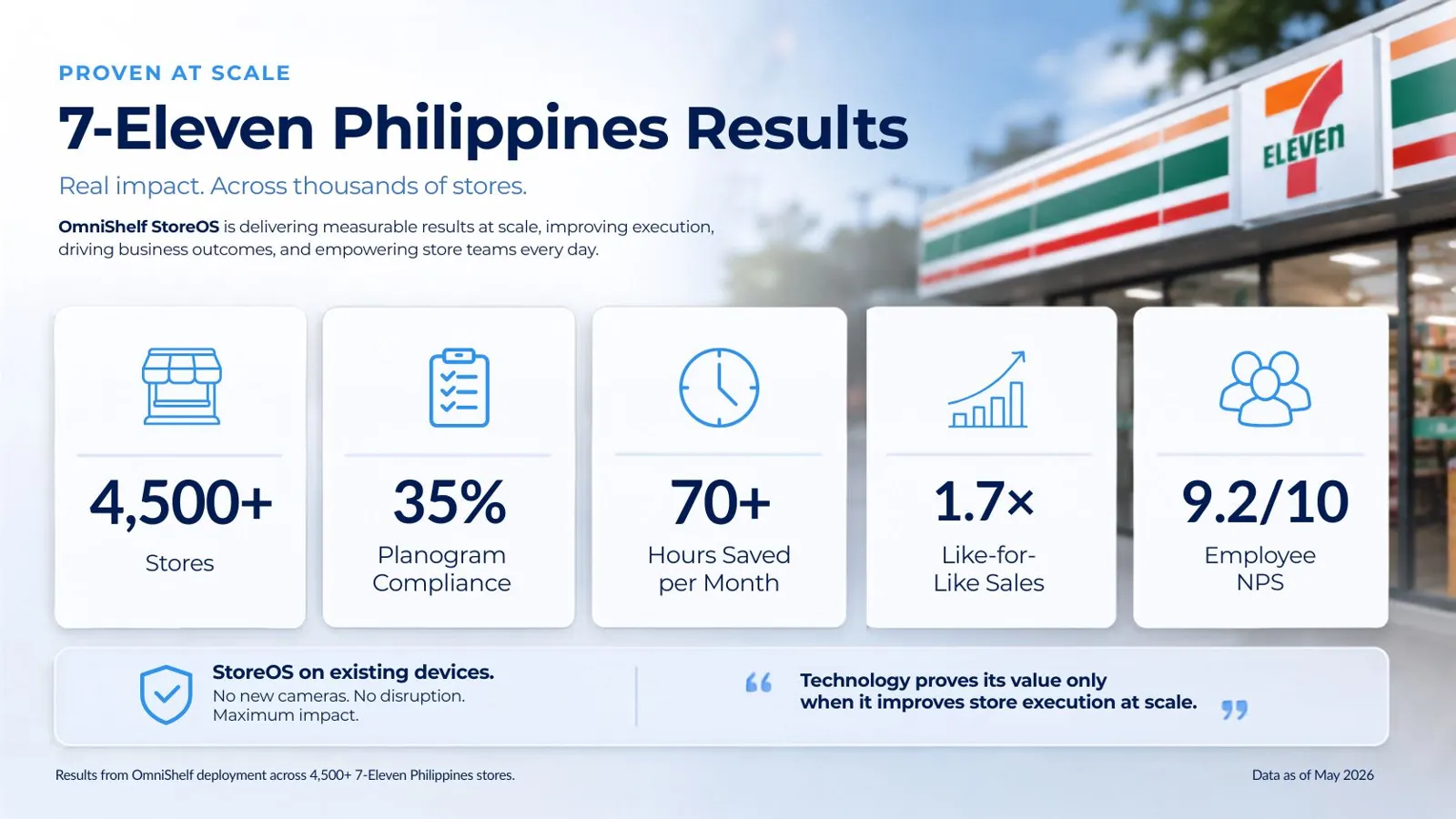
The world’s best convenience-store chains are not perfect. The difference between market leaders and businesses losing margin lies in how quickly they detect and resolve shelf-execution problems. Let’s stop treating vision technology as an expensive experiment. By putting power in the hands of station staff and giving the physical shelf a digital voice, we can turn retail’s biggest blind spot into our most profitable business asset.
INSIGHTS & UPDATES
Explore More from the OmniShelf Blog
Stay ahead of the curve with deeper insights, product updates, and industry trends shaping the future of retail technology. Discover more stories that matter to your business.
7-Eleven Philippines: Scaling Shelf Execution Across 4,500+ Stores
How 7-Eleven Philippines moved from periodic audits to continuous shelf scanning across 4,500+ stores, with 1.7× like-for-like sales growth and 35% better planogram compliance.
Read More

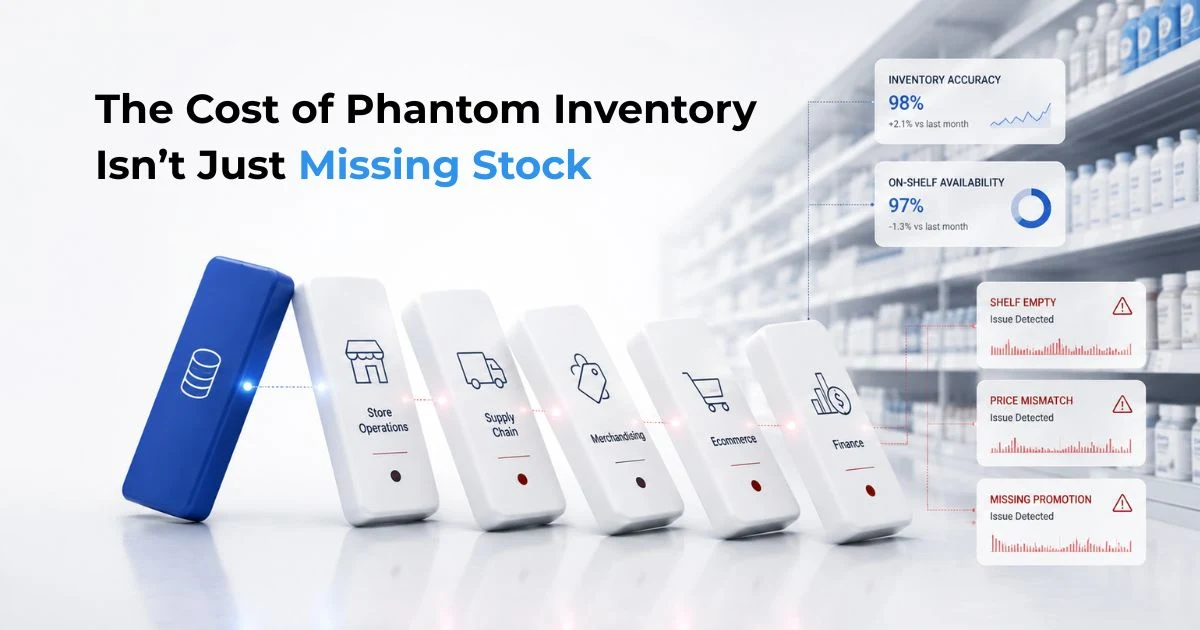
Phantom Inventory: More Than an Inventory Problem
Why phantom inventory keeps hurting retailers even after "fixing" the numbers, and the 3-step fix that stops bad data from spreading across teams.
Read More
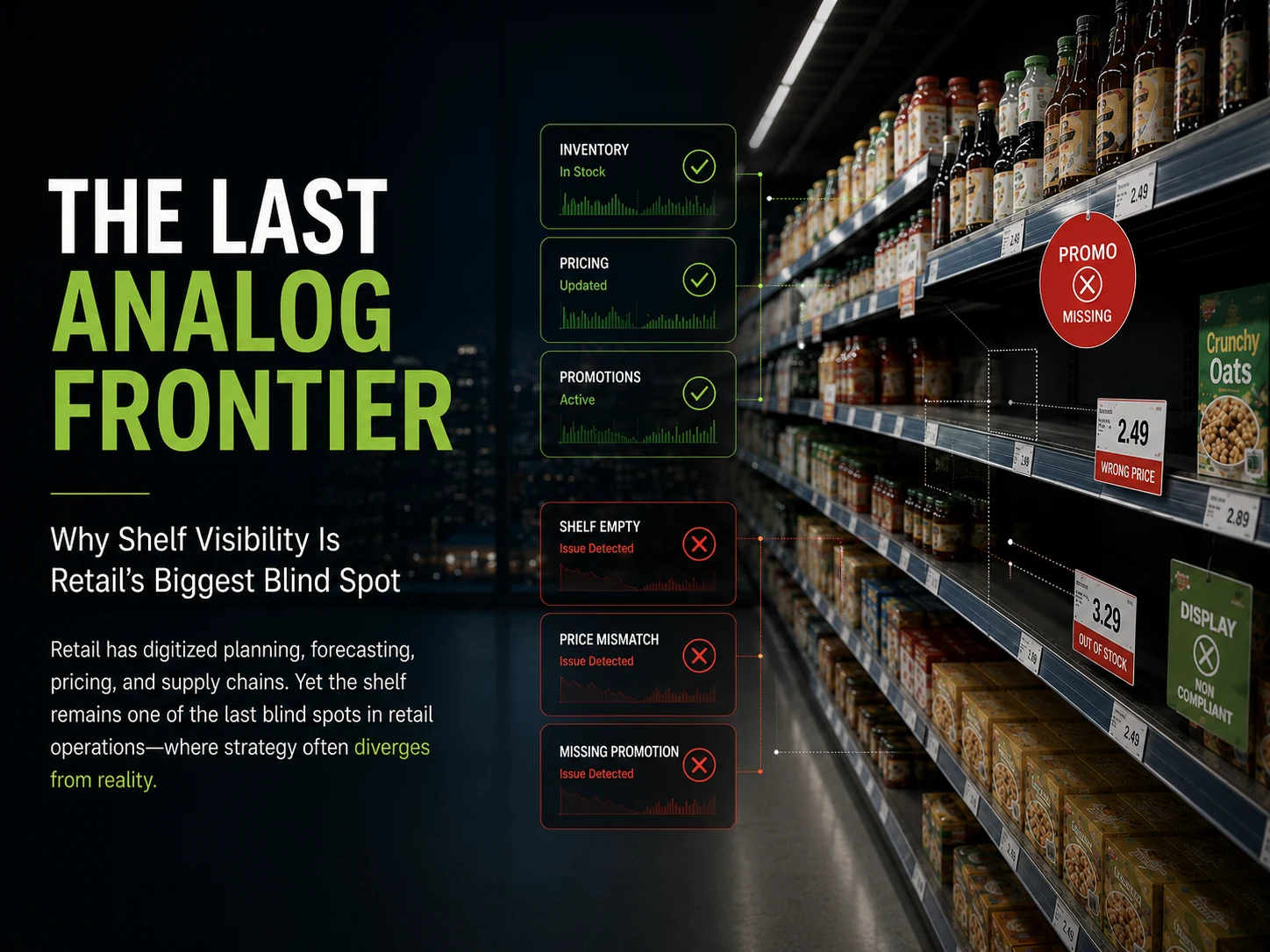
The Last Analog Frontier: Why Shelf Visibility Is Retail's Biggest Blind Spot
Retail has digitized almost everything, except the shelf. Discover why closing the retail execution gap is becoming one of the industry's biggest competitive advantages
Read More
OmniShelf Named Digital Shelf Analytics Solution of the Year at the 2026 RetailTech Breakthrough Awards
OmniShelf Store Operating System has been named the 2026 Digital Shelf Analytics Solution of the Year by RetailTech Breakthrough, recognizing innovation in retail execution, shelf visibility, and store operations.
Read More

The Next Phase of Digital Twins in Retail
Explore how digital twins are becoming production-ready in retail through accurate store data, edge AI, and actionable operational workflows.
Read More
5 Reasons Planogram Compliance Fails in Retail Stores (And How to Fix It)
Planogram compliance often drops the moment a shelf is restocked. Discover why manual audits fail and how AI-powered computer vision turns "the last yard" into a competitive advantage.
Read More
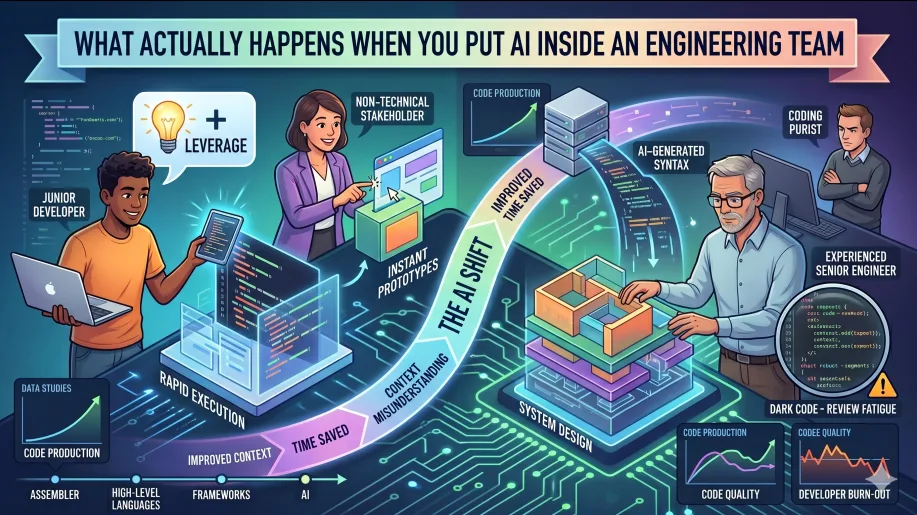
What Actually Happens When You Put AI Inside an Engineering Team
AI coding tools are transforming software engineering, but not always for the better. Our CTO explores how AI is reshaping developer roles, creating new risks for junior engineers, and shifting the real bottleneck from writing code to thinking.
Read More
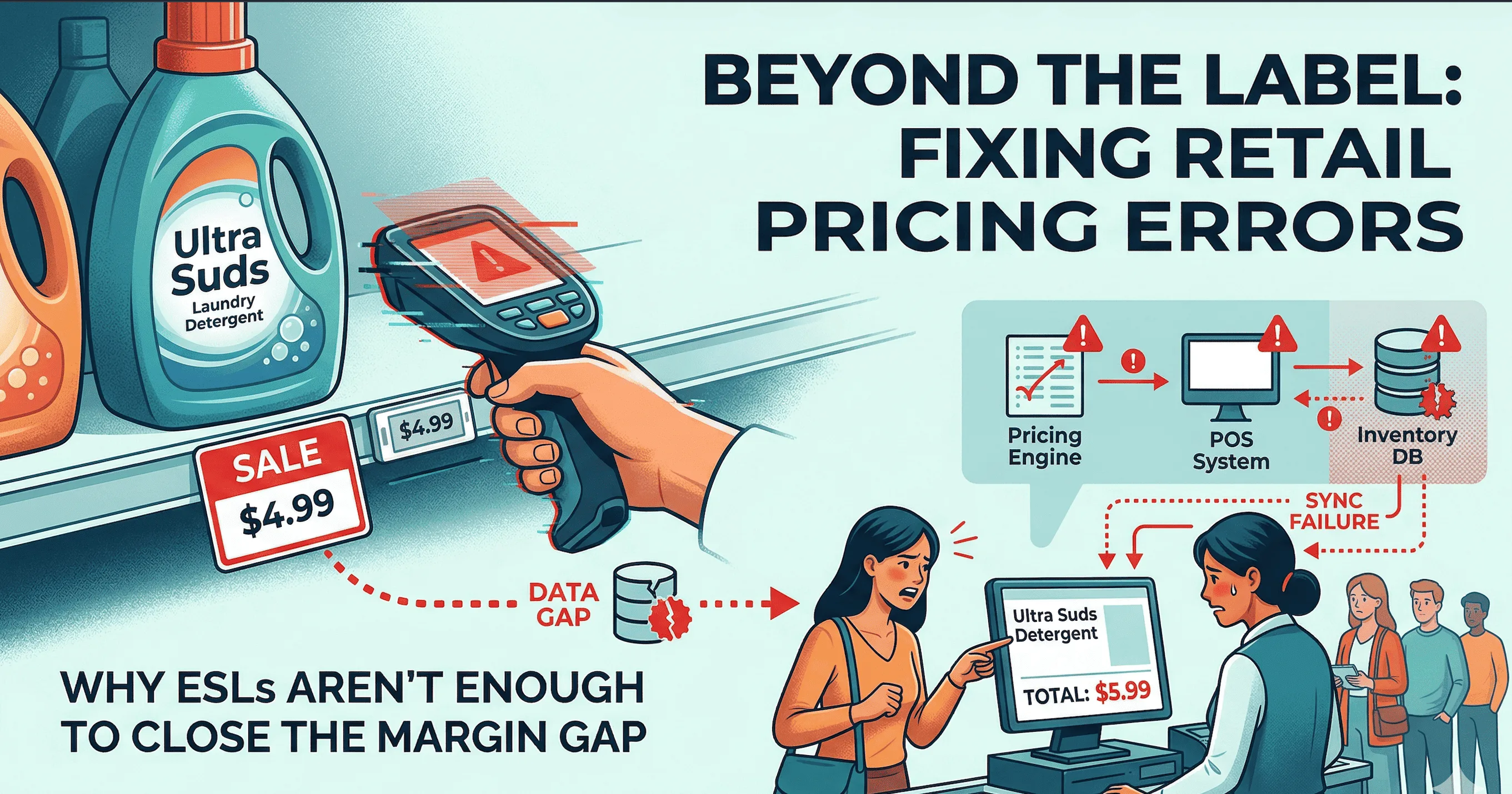
Why ESLs Are Not Enough To Close The Margin Gap
Retailers lose billions due to pricing errors even with electronic shelf labels. Discover why execution gaps persist and how to ensure accurate, real-time pricing across every store.
Read More
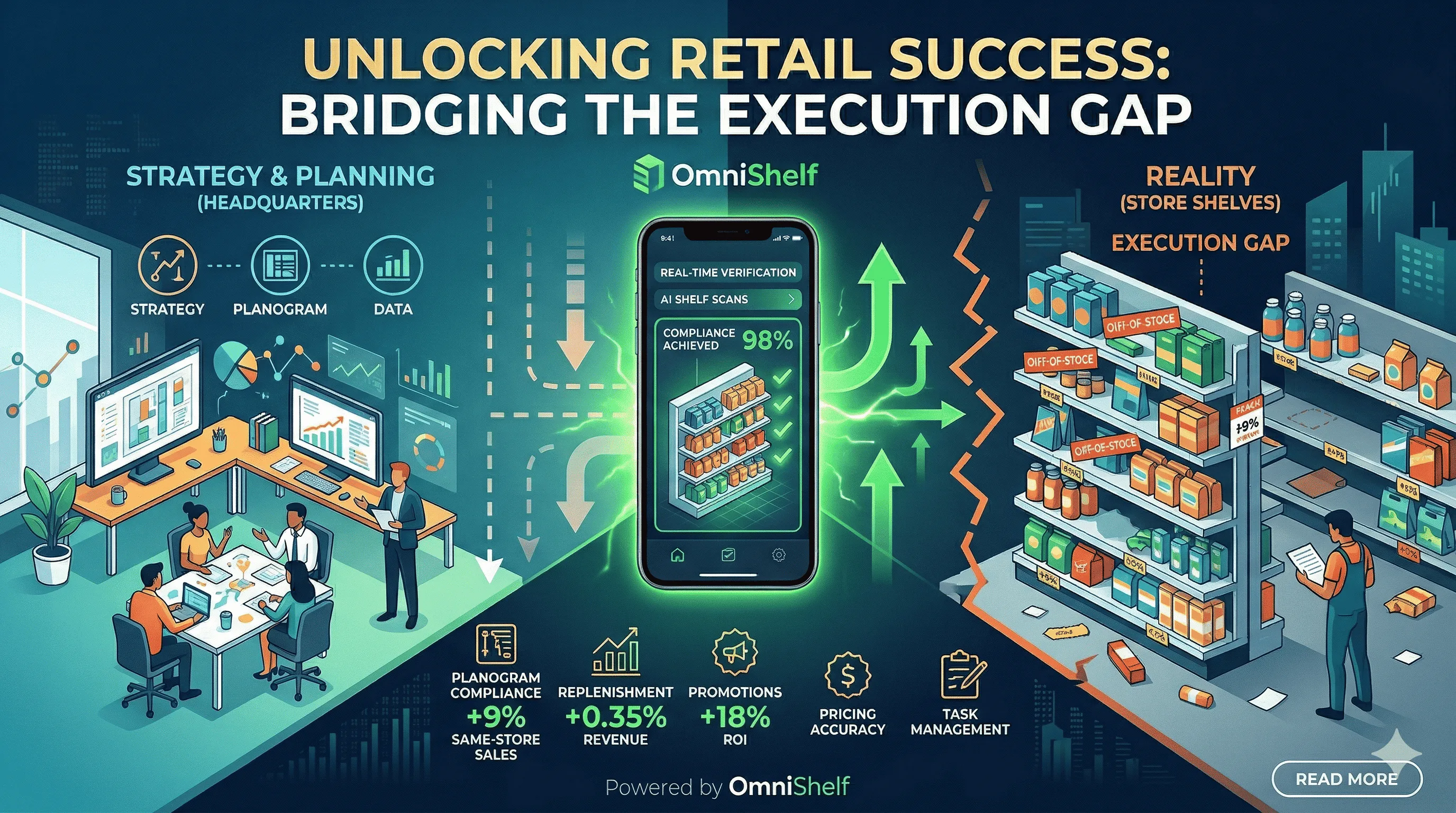
Why No Strategy Will Fix The Execution Failure
Effective retail execution is the critical link between leadership decisions and the actual customer experience at the store. Despite having sound strategies, many retailers suffer from revenue loss due to inconsistent store operations, such as incorrect shelf placement, inaccurate pricing, and failed promotions. Our CEO Lukasz Piotrowski talks about what makes the execution gap and how to fix it.
Read More
Why AI Agents Will Disrupt Retail Analytics
Reflections from our CTO why Ai agents will change how we look at retail analytics.
Read More

Building Deep Tech Engineering Teams When the Path Is Not Written Yet
In deep tech, linear progress is a myth and breakthroughs don't follow a schedule. This article explores the transition from scientific uncertainty to a scalable system, arguing that shared context and adaptability are the keys to solving impossible problems.
Read More
We are heading to EuroShop ( here’s what to expect)
Discover why OmniShelf is attending EuroShop 2026 to tackle real store execution challenges, improve shelf availability, and scale retail operations.
Read More
Lessons From a Decade in AI
Discover how scaling, data, generalisation, and hardware efficiency drive today’s AI systems, and why the future of AI is moving toward on-device performance.
Read More

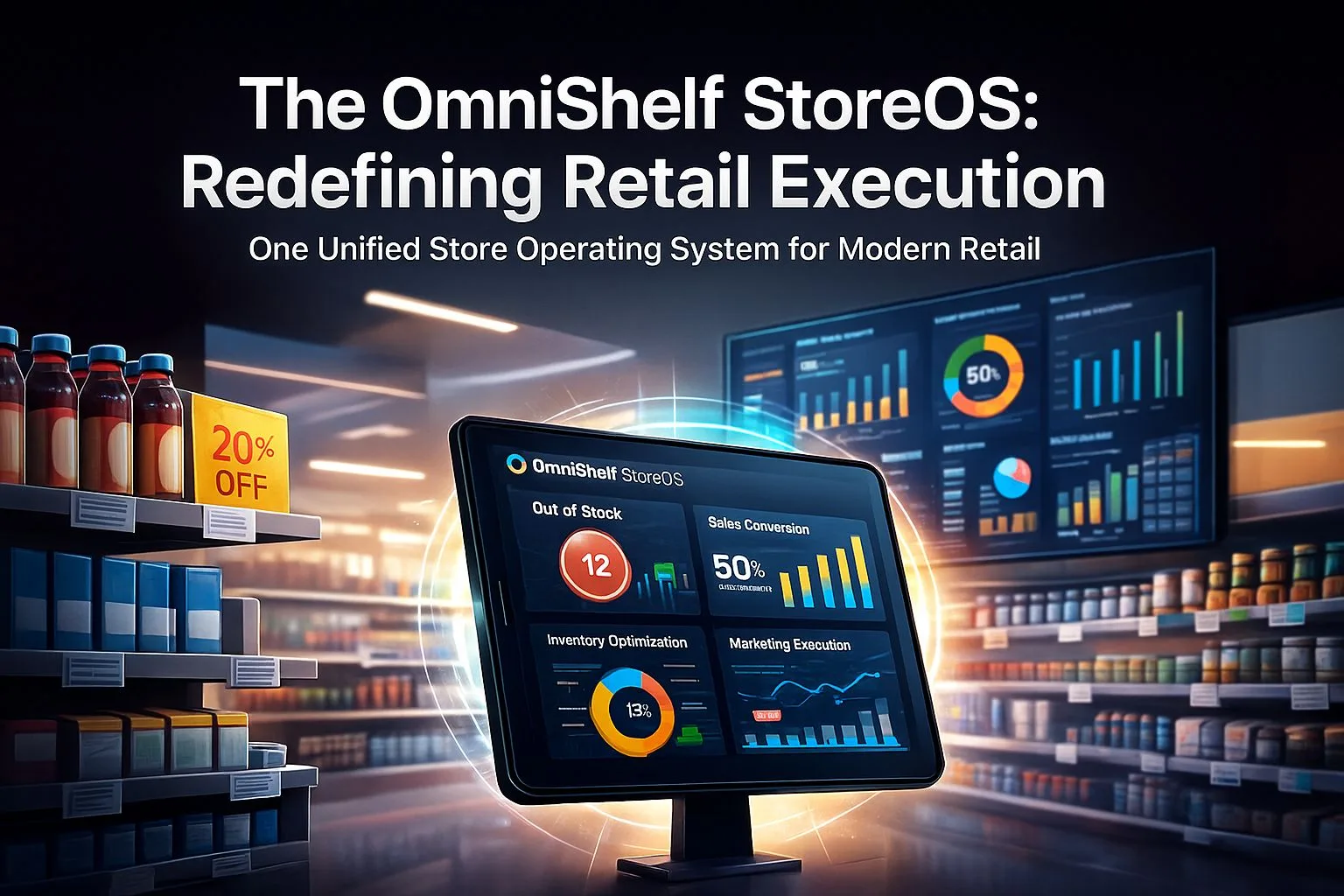
The OmniShelf Store Operating System: Redefining Retail Execution with Edge AI
Discover how the OmniShelf StoreOS unifies operations, marketing, inventory, and data to eliminate retail blind spots and improve execution across every store.
Read More
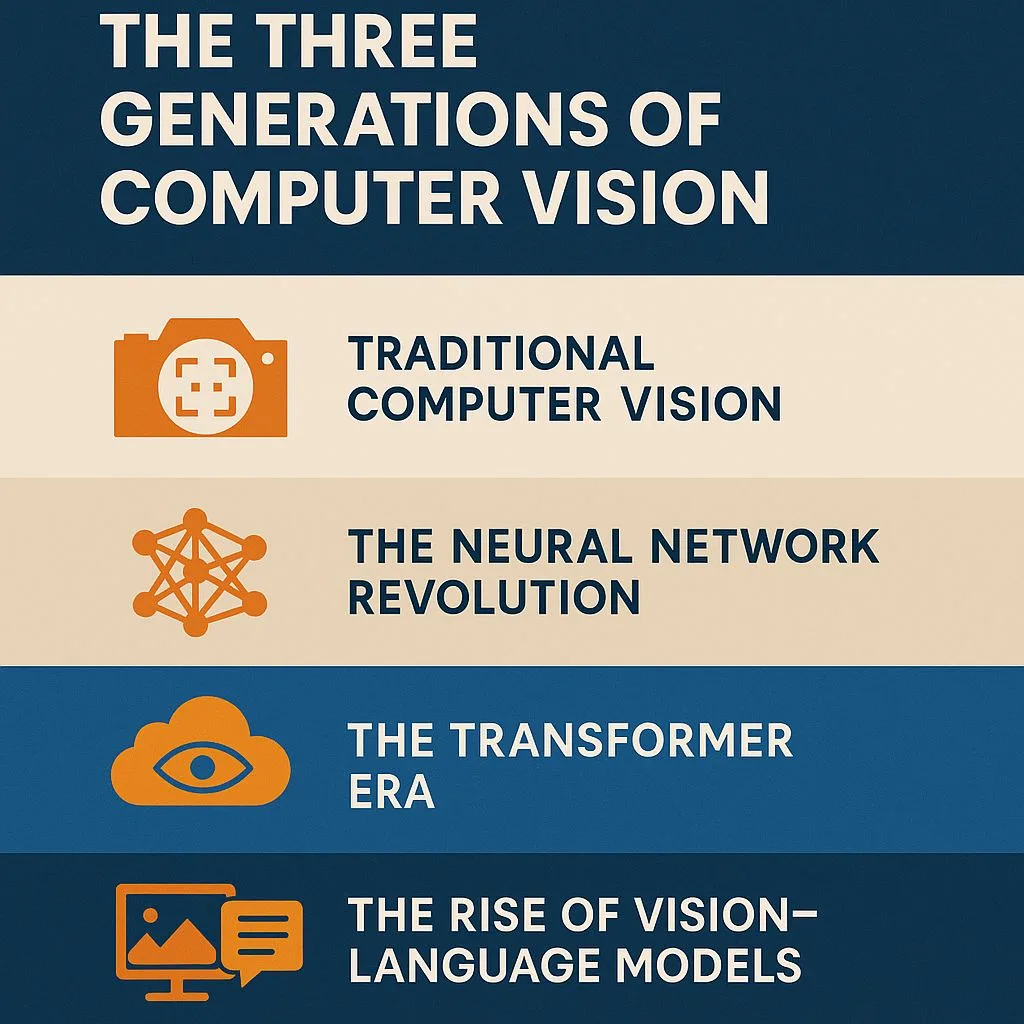
The Evolution of Computer Vision And Why the Future Belongs to the Edge
Discover how computer vision evolved from handcrafted algorithms to multimodal AI and why the future of visual intelligence is moving to the edge.
Read More
Elevate 2025 Highlights
OmniShelf joined forces with SOTI at monday.com Elevate 2025 to showcase how AI, automation, and real-time shelf visibility are transforming retail operations. Discover key highlights and insights from the event.
Read More
GS1 Hong Kong Retail Summit 2025 Highlights
From AI-powered supply chains to sustainable business transformation, here’s what industry leaders shared at the GS1 Hong Kong Retail Forum 2025 about building smarter, more resilient retail ecosystems
Read More

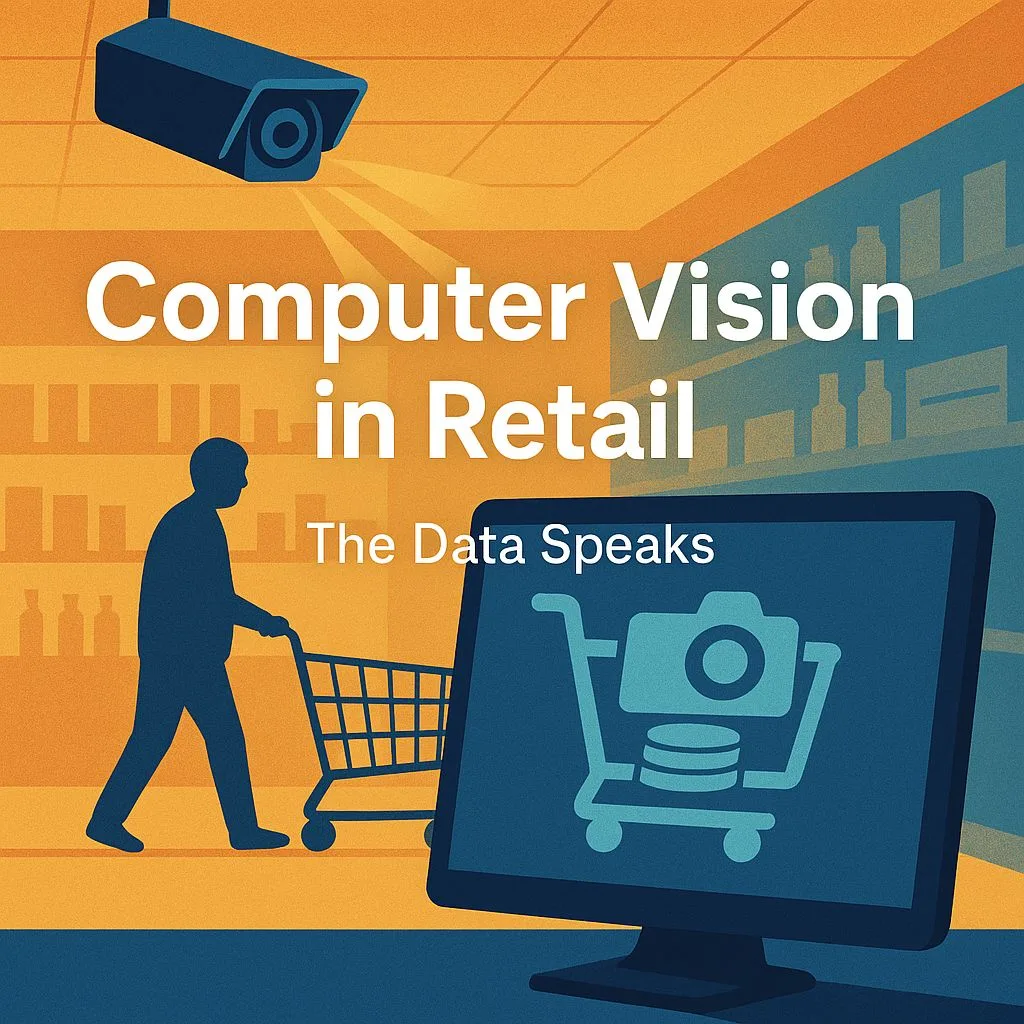
How Computer Vision is Revolutionizing Retail
Discover how AI-powered computer vision is revolutionizing retail operations. From preventing theft and managing inventory to enhancing customer experience, see how this technology, powered by edge computing, is reshaping the modern shopping experience.
Read More
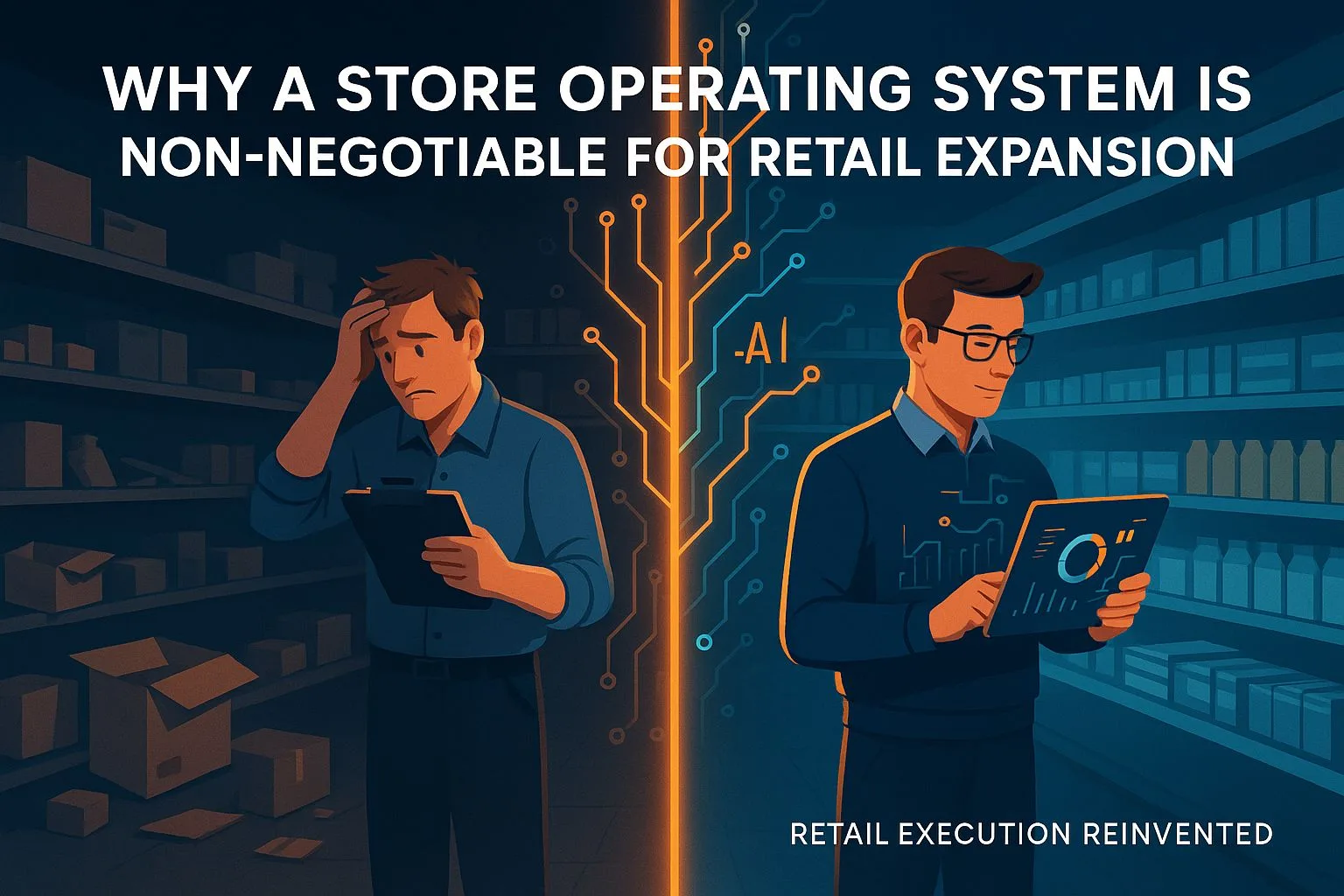
Why a Store Operating System is Non-Negotiable for Retail Expansion
Retail expansion brings complexity. Discover how a Store Operating System (SOS) transforms chaos into control with AI-powered execution, real-time insights, and unified operations.
Read More
NRF Paris 2025 Day 3 Recap: Unified Commerce & AI
Day 3 of NRF Paris 2025 highlighted unified commerce, AI-driven personalization, omnichannel innovation, and the future of customer experience in retail.
Read More
NRF Paris 2025 Day 2 Recap: Ai, data and customer centric strategies
Day 2 of NRF Paris 2025 showcased how retailers are using AI, data, and customer-centric strategies to transform payments, supply chains, loyalty, and in-store experiences. From community sponsorships with Snipes & PSG to MediaMarktSaturn’s omnichannel reinvention, the event highlighted the future of retail with personalization, automation, and next-gen customer engagement.
Read More
NRF Paris 2025 Day 1 Recap: AI, Payments & Omnichannel Innovation
Discover the highlights from Day 1 of NRF Paris 2025 – Retail’s Big Show Europe. From AI-powered retail operations and evolving payment solutions to omnichannel strategies and sustainability, here’s how leaders are shaping the future of retail.
Read More
We Are Attending NRF 2025: Retail’s Big Show Europe
Join OmniShelf at NRF Paris 2025, where innovation meets retail. Join us at Europe's premier event to explore cutting-edge solutions for the future of shopping.
Read More
Are Your Shelves Killing Your Sales?
Learn how poor shelf execution silently kills retail sales and how smarter real time solutions can improve revenue, trust and efficiency.
Read More


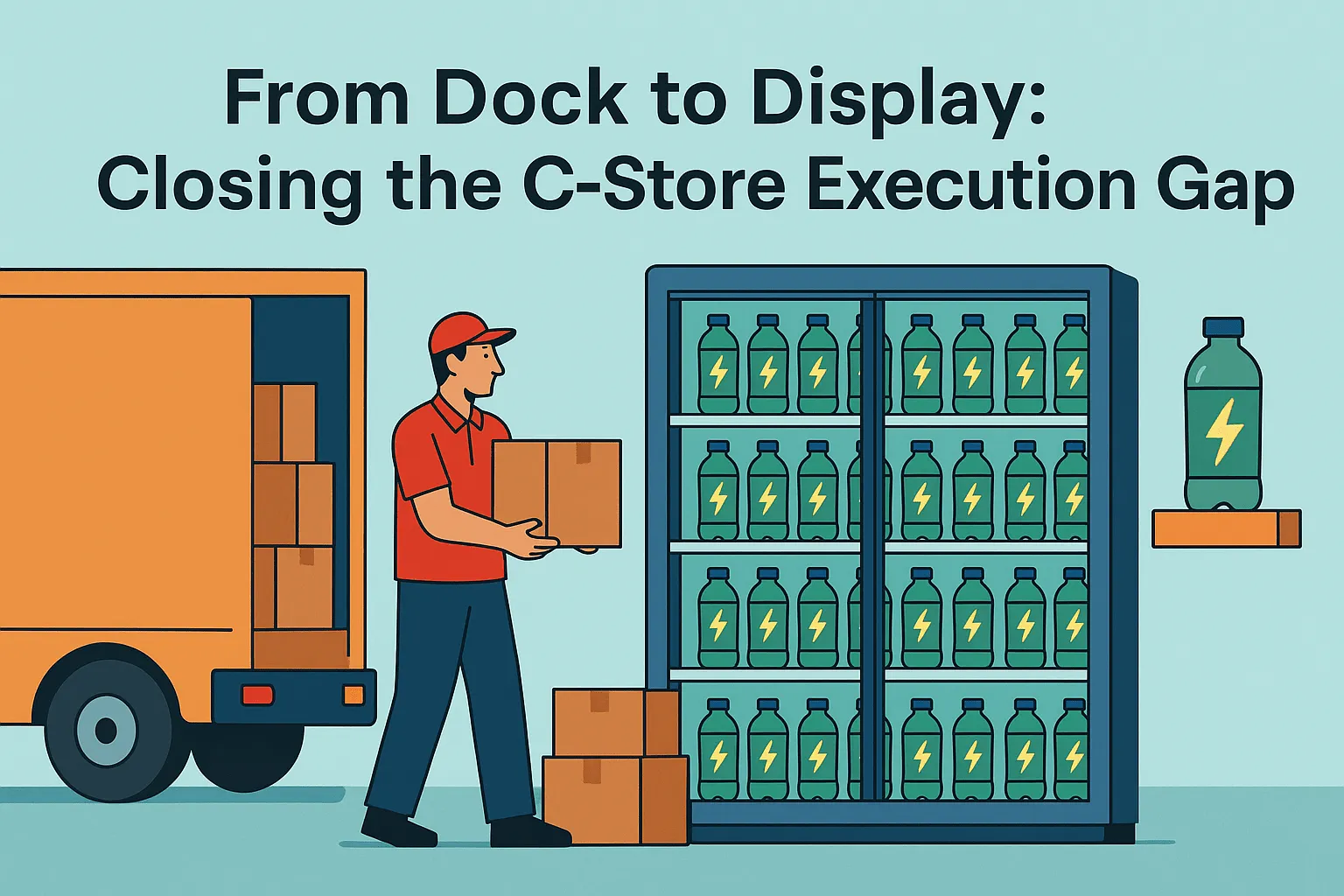
From Dock to Display: Closing the C-Store Execution Gap
The mission was clear. A major beverage brand spent millions to launch its new energy drink, meticulously planning every detail down to the cooler placement in thousands of convenience stores nationwide.
Read More
The Invisible Threat to Retail: How Phantom Inventory Haunts Southeast Asia
Discover how phantom inventory silently drains profits in Southeast Asia’s retail sector. Learn the causes, consequences, and strategic solutions to eliminate this invisible threat.
Read More
How AI Can Help You Manage the Store (At Every Level)
Learn how applied AI is transforming retail operations by reducing decision fatigue, preventing stockouts, and improving execution at the store, area manager, and headquarters levels with the OmniShelf Store Operating System.
Read More
The Trillion-Dollar Problem: How Poor Shelf Execution is Costing Retailers Billions
Poor shelf execution is costing retailers billions. This blog explores how out-of-stocks, pricing errors, and misplaced items sabotage sales and erode trust—even when products are in-store. Learn why traditional methods and outdated tech fall short, and how OmniShelf’s AI-powered, real-time shelf operating system helps prevent lost revenue, even without internet access.
Read More
What we learned at Shoptalk Europe 2025
OmniShelf joined retailers and tech leaders at Shoptalk Europe 2025 to explore what’s next for the retail shelf. Here’s our take on the trends that matter.
Read More

Live from Zebra DevCon 2025: Real Retail Problems, Real Solutions
OmniShelf is proud to be here on the ground. We’re showcasing how our real-time shelf intelligence tool helps store teams save time, improve shelf execution, and increase sales without needing extra hardware.
Read More

Meet Us at NRF Singapore 2025
Discover how OmniShelf and Zebra Technologies are transforming shelf management with real-time retail intelligence at NRF Singapore 2025. Visit us for live demos and expert insights.
Read More